 CHA
 WSH
 CHI
 BOS
 DET
 BKN
 NY
 PHI
 ORL
 TOR
 IND
 MIA
 HOU
 DAL
 LAC
 MIN
 LAL
 GS
 DEN
 PHX
 NJ
 VGK
 WPG
 FLA
 SEA
 CGY
 ESP
 VIL
 M05
 ELV
 PSG
 HAC
 REN
 NICE
 RCL
 LILL
 POR
 UTAH
 ATL
 NO
 SAC
 MEM
 CLE
 MIL
 SA
 OKC
 CHI
 BOS
 STL
 DET
 TB
 NSH
 EDM
 NYI
 BUF
 LA
 OTT
 SJ
 PIT
 MTL
 TOR
 VAN
 CBJ
 DAL
 COL
 ATL
 GS
 ORL
 CLT
 DC
 CLB
 PHI
 CIN
 MTL
 NYC
 DAL
 SKC
 SD
 STL
 ATX
 LA
 RSL
 SJ
 CHI
 COL
 MAN
 CHE
 LEE
 BOU
 NFO
 BRE
 SUN
 COV
 IPS
 HUL
 BHA
 MNC
 CRY
 TOT
 FUL
 AVL
 ATM
 LEV
 CEL
 RAY
 MCF
 BET
 ALA
 BAR
 VFB
 B04
 SCP
 BMG
 SCF
 FCA
 RBL
 S04
 TSG
 SVW
 DOR
 MUN
 MON
 BOL
 ROMA
 UDI
 INT
 MIL
 MNS
 TRY
What a Garrett Wilson trade would cost the Jets under the cap
A source says there is no way New York deals its receiver, and the contract math shows why a deadline deal would hurt the books before it helped.
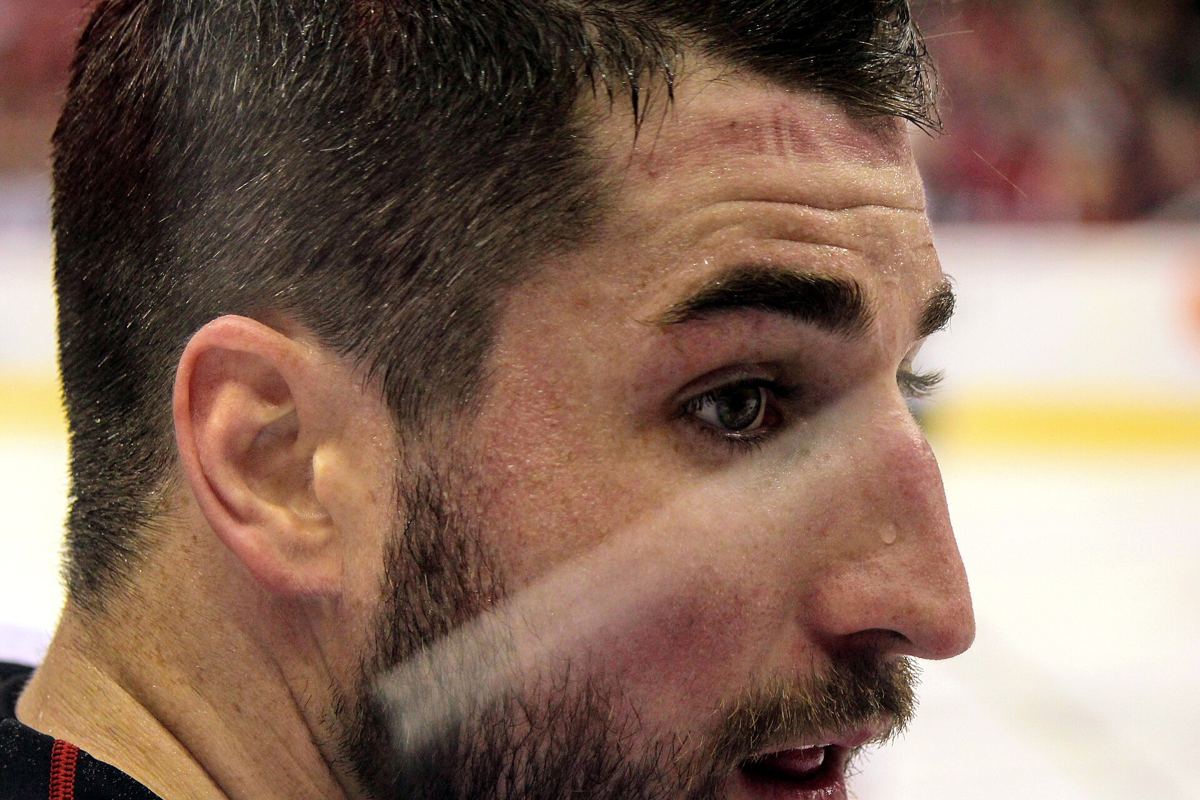
A source told ESPN's Adam Schefter there is "no way" the Jets trade Garrett Wilson before the Nov. 10 deadline. Suppose they did it anyway, as a hypothetical. The contract says the move would cost cap room this season and return almost nothing back next year, which is a weak start to a rookie quarterback reset.
The contract
Wilson signed a four-year, $130 million extension last July. It carries $90 million in guarantees and averages $32.5 million a year. The structure leans on bonuses: a $13.75 million signing bonus, a $20 million option bonus this year and a $10 million option bonus in 2027. A bonus spreads across the life of the deal for cap purposes, and a trade accelerates whatever portion has not been charged yet.
The trade math
Spotrac lists about $31 million in dead cap if Wilson is traded before June 1, which includes this season. His cap hit this year is $10,074,819. Take the larger number from the smaller and the Jets finish about $20.9 million worse off on this year's cap. CBS Sports, citing Over The Cap, lands within a few hundred thousand dollars of both figures.
That is the first problem. A team trading a player expects to free money. This one would spend it, and the Jets would do it while sitting at 2-5.
What 2027 gives back
Wilson's cap hit for 2027 is $23.25 million. If the whole dead charge lands this year, that number disappears next year. Set the $20.9 million lost now against the $23.25 million saved later and the two nearly cancel. The Jets would take a hit now to get back close to even, before counting what the receiver would be replaced with.
The picks are the other side of the ledger, and the Jets already have plenty. They hold three first-round picks in the 2027 draft: their own, Indianapolis's, and the better of Dallas's and Green Bay's. That is enough capital to draft a quarterback, or to trade up for one. A rookie arrives on a scaled contract, so the reset does not need Wilson's money to work. A fourth first-round pick would help, but it would not fix a cap problem the trade itself creates.
The case against doing it
A young quarterback needs a receiver who wins early in the down. Wilson is the one player already on the roster who does that. The source told ESPN the Jets have no interest in moving him, that ownership loves him and that he is a central building block. Wilson has said he has not asked out: "I want to be here."
Teams have said no and then said yes. Tennessee insisted Jeffery Simmons would stay and then traded him, and ESPN pointed to that case while arguing Wilson's is different. The numbers back that view. A trade at the deadline buys draft capital the Jets have in bulk and charges them cap room they would struggle to spare.
If the Jets want to reset around a rookie, the cleaner path keeps Wilson, drafts the passer and lets the contract run. If they ever decide to move him, the math points away from a deadline deal and toward an offseason one, when the dead charge has a longer runway.
Spotted a mistake? Tell us and we will correct it with a note.
The morning email
Last night's scores and the 3 stories worth your time, before work. Free.

Comments (0)
No comments yet.