 MIA
 ATL
 WSH
 CLE
 CHA
 DET
 PHI
 IND
 ORL
 TOR
 NY
 CHI
 HOU
 MIL
 GS
 MIN
 DEN
 NO
 SA
 UTAH
 OKC
 DAL
 LAL
 LAC
 MIL
 TB
 PHI
 WSH
 CGY
 EDM
 NJ
 COL
 TOR
 SEA
 MTL
 CLT
 CIN
 MIA
 RBNY
 NE
 ATL
 NYC
 DC
 TOR
 RSL
 ATX
 ORL
 CHI
 CLB
 DAL
 SKC
 MIN
 PHI
 NSH
 POR
 STL
 COL
 SJ
 HOU
 SEA
 SD
 VAN
 BOL
 MIL
 UDI
 PAR
 INT
 VEN
 JUV
 GEN
 NAP
 MON
 CAR
 GB
 SAC
 MEM
 POR
 WPG
 TB
 PIT
 CBJ
 CAR
 CHI
 DET
 BOS
 STL
 NSH
 MTL
 DAL
 NYI
 MIN
 BUF
 ANA
 OTT
 LA
 VAN
 SJ
 GS
 ATL
 LEC
 FRO
 ATA
 FIO
Cadillac's Pérez extension is a bet on experience, and the head-to-head backs it
A pointless debut season did not stop Cadillac from keeping Sergio Pérez through at least 2029, and the numbers against Valtteri Bottas explain why.
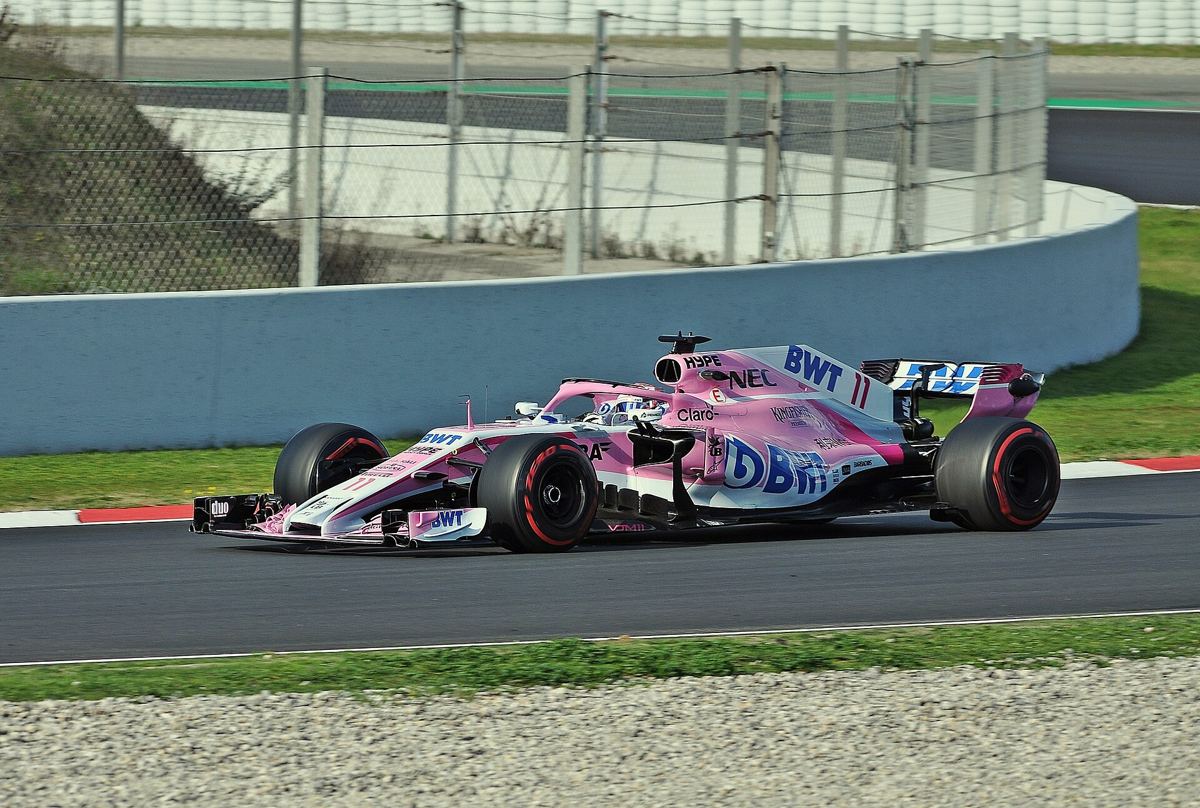
Cadillac has not scored a point in its first Formula 1 season, and it just committed to Sergio Pérez through at least 2029. That looks odd until you read it as what it is: a team with no history paying for someone who has seen how a grid works from the inside.
The deal
The team announced the extension this week, ahead of the Mexico City Grand Prix, Pérez's home race. ESPN describes it as a three-year extension, and the wording "at least" leaves room for the deal to run longer. Nobody is calling this a reward for results. Pérez has no points in 2026, and so does his teammate Bottas.
The teammate comparison
If Bottas had been clearly faster, the extension would be hard to defend. He has not been. Pérez leads Bottas 10-8 in Grand Prix qualifying, a margin of two sessions, which is close to a tie. In races the gap opens up: Pérez leads 12-4, according to both Sky Sports and Formula1.com.
That race number matters more than the qualifying one for a team in this position. A car at the back of the field gets points from survival, tyre management and clean starts, and those are the parts of the job a veteran handles best. Pérez has finished ahead of his teammate three times out of four when both cars reached the flag.
Why experience suits a new team
A new team has to answer questions that established teams settled years ago. Which setup direction is real and which is noise? Does a car problem come from the aero, the mechanical balance or the driver? A rookie cannot answer those because he has nothing to compare against. A driver with a long career at other teams can, and engineers can turn that into a development plan.
Continuity has its own value. Cadillac does not need a new face every year while it builds a base of data and processes. Signing Pérez for several seasons means the people designing the next car know who will drive it and what he wants from it.
The risk
The risk is plain. A multi-year deal for a veteran only pays off if the car gets good enough for his experience to show up in the standings. If development stalls, Cadillac will have spent three seasons on a driver who cannot move the team forward alone. The contract also takes away flexibility if a young driver emerges and the team wants him.
That is the trade. Cadillac chose stability and a proven feedback loop over a lottery ticket. With a margin of 12-4 in races over the only other driver who has the same car, the team has a fair case that Pérez is the safer pick to help it climb from the back of the grid.
Spotted a mistake? Tell us and we will correct it with a note.
The morning email
Last night's scores and the 3 stories worth your time, before work. Free.


Comments (0)
No comments yet.